Residential Glass Installation: Upgrade Your Home's Appearance and Energy Efficiency
Residential glass placement functions as a game-changing element for many homes. It not only boosts aesthetics but also improves energy efficiency. With multiple glass options on hand, homeowners can design spaces that express their style while enjoying the benefits of modern technology. Grasping the nuances of glass selections and installation can result in significant long-term gains. The following sections will examine the vital aspects of this expenditure and its impact on both comfort and value.
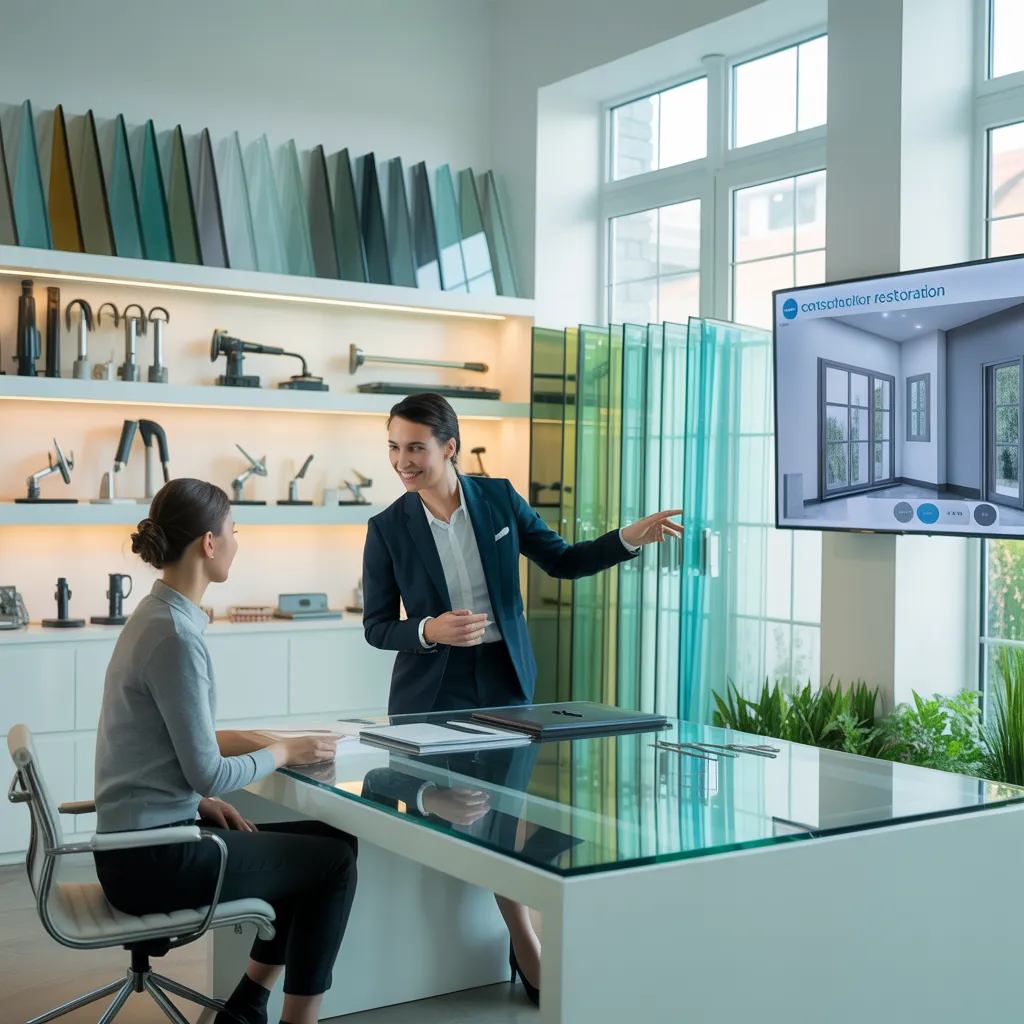
Benefits of Investing in Residential Glass Installation
Investing in residential glass installation can substantially boost the decorative and operational aspects of a home. High-quality glass elements, such as windows, doors, and railings, enhance a modern and elegant look, enabling natural light to flood interiors and establishing a sense of spaciousness. This visual enhancement can increase property value, keeping it more attractive to potential buyers.
Additionally, glass application delivers design adaptability, supporting different design approaches and personal preferences. From sleek frameless designs to classic grid patterns, homeowners can select options that complement their individual tastes.
Furthermore, integrating glass pieces can increase indoor-outdoor connectivity, generating seamless shifts between living spaces and outdoor areas. This connection encourages a calm atmosphere, excellent for relaxation and entertaining.
Ultimately, putting money into residential glass installation not only improves aesthetics but also enriches the overall living experience, making it a valuable option for homeowners looking to improve their properties.
Enhancing Energy Efficiency With Modern Glass Options
Contemporary glazing solutions provide significant advancements in thermal performance, especially through the use of insulated glass and Low-E coatings. Insulated glass minimizes heat transfer, enhancing comfort and reducing energy costs. Meanwhile, Low-E coatings reflect infrared light, further improving thermal performance while allowing natural light to enter.
Insulated Glass Benefits
Insulated glass offers significant advantages for homeowners looking to enhance thermal performance in their homes. This innovative window treatment typically consists of multiple glass panes separated by a spacer and filled with an insulating gas, such as argon or krypton. This construction reduces heat transfer, decreasing the need for warming in winter and air conditioning in summer. As a consequence, insulated glass can lead to lower energy bills and improved home comfort. Additionally, it removes moisture accumulation and reduces outside noise, promoting a more peaceful living environment. Overall, insulated glass is a wise choice for those seeking to upgrade their homes while advancing environmental responsibility and enhancing overall aesthetic appeal.
Low-Emissivity Coatings Outlined
Low-emissivity (Low-E) coatings convert standard glass into a powerful energy-efficient solution for homes. These microscopic layers, applied to the glass surface, bounce back infrared light while allowing visible light to pass through. This distinctive characteristic helps preserve indoor temperatures by minimizing heat transfer, keeping homes warmer in winter and cooler in summer. By reducing energy consumption, Low-E coatings can greatly lower heating and cooling costs. Additionally, they help safeguard furnishings from UV damage by filtering out harmful rays, improving overall comfort and longevity. Homeowners increasingly choose Low-E glass as a sustainable choice, contributing to eco-friendly living. Ultimately, Low-E coatings embody a modern advancement in residential glass installation, combining aesthetics with functional efficiency.
Finding the Right Glass for Visual Beauty and Functional Utility
How can homeowners find the ideal equilibrium between appearance and functionality when selecting glass for their homes? The selection of glass plays an essential role in both the look and performance of a home. Various types of glass, such as tempered, laminated, and insulated, can enhance security, energy efficiency, and noise reduction. Owners need to think about their design choices, such as color, texture, and transparency, to guarantee the glass matches the overall decor.
For illustration, frosted glass see information on this guarantees privacy while upholding an graceful appearance, whereas clear glass maximizes visibility and generates an uncluttered feel. In addition, decorative options including stained or etched glass can function as focal points in a room. In conclusion, determining the correct panes demands comprehending the specific needs of each space, striking a balance between style and practical benefits to create a peaceful living environment. Strategic selections can significantly strengthen both the design appeal and functional performance of a home.
How Picking the Proper Glass Maximizes Natural Light
Natural light acts as an important feature in establishing appealing and energetic home environments. Choosing the proper glass can substantially boost the influx of natural light, altering the ambiance within a home. For instance, large, unobstructed panes of clear glass enable sunlight to pour in, illuminating interiors and providing a sense of openness.
Moreover, picking glass with a low-emissivity coating can optimize light transmission while minimizing heat gain, ensuring that warmth is retained without compromising brightness. Similarly, frosted or textured glass can diffuse light, softening harsh rays while maintaining brightness, which can be particularly effective in smaller rooms.
In addition, deliberately positioning mirrors and reflective surfaces near glass installations can magnify the effects of natural light, yielding a brighter environment. By thoughtfully selecting glass types and placements, homeowners can fully utilize natural light, enhancing both aesthetic appeal and energy efficiency.
What Elements Should You Evaluate When Hiring a Glass Installer?
When picking a glass installer, what key factors should homeowners keep in mind to ensure a effective project? First, it is crucial to assess the installer’s experience and expertise in residential glass installation. Homeowners should look for professionals with a demonstrated track record and positive customer feedback. Checking for valid licensing and insurance is vital, as this protects both the homeowner and the installer in case of accidents or damage.
Furthermore, obtaining multiple quotes can assist homeowners understand the market rates and verify they are receiving fair pricing. It is also useful to inquire into the material choices used and the installation practices utilized, as premium-grade materials can greatly affect durability and aesthetics. Finally, grasping the warranty included can provide peace of mind regarding upcoming repairs and replacements. By examining these aspects, homeowners can with confidence choose a glass installer who meets their particular needs.
Expert Tips for Upkeeping Your Glass Installations to Achieve Lasting Quality
After choosing a qualified glass installer, homeowners must concentrate on maintaining their glass installations to ensure longevity and functionality. Regular cleaning is important; using a gentle cloth and a mild glass cleaner can prevent scratches and build-up. Homeowners should avoid abrasive materials that can damage the surface. Additionally, examining the seals around windows and doors for any signs of wear or damage is important, as compromised seals can lead to energy loss and moisture intrusion.
Regular evaluations can help discover likely concerns early on, allowing for timely repairs. Homeowners should also consider applying protective coatings to reduce UV damage and boost durability. For exterior glass installations, keeping surrounding areas clear of debris will prevent scratches and impacts. Finally, talking with the installer regarding specific maintenance recommendations can assure the glass remains in peak condition for years to come.
Common Questions Posed Regularly
Which Types of Glass Can Be Used for Domestic Installation?
Multiple styles of glass are available for residential installation, including tempered, laminated, low-E, insulated, and decorative glass. Every type gives unique advantages, such as better safety, improved thermal control, and aesthetic value for homeowners.
What timeframe can you generally expect during the installation process?
Installing typically takes between one to three days, contingent upon the complexity of the project and the variety of glass being employed. Conditions such as atmospheric conditions and preparation can also impact the duration.
Can you locate sustainable glass solutions selections?
Yes, eco-friendly glass options are available, such as double-glazed and low-emissivity (Low-E) glass. These materials enhance energy efficiency, decrease heat loss, and lessen environmental impact, making them an excellent choice for environmentally conscious homeowners.
What Warranties Are Offered on Residential Glass Installations?
Residential glass installation protections generally consist of manufacturer guarantees covering defects and installation guarantees confirming workmanship standards. Coverage and duration differ depending on the provider, so homeowners need to inquire about specific terms prior to installation.
Should I Set up Glass by myself or Hire a Professional?
Self-installation of glass is feasible for skilled individuals, but hiring a professional is generally recommended. Experts guarantee correct management, regulatory adherence, and optimal placement, minimizing chances of damage and subsequent issues associated with improper fitting.